Arthritis: Understanding the Condition and Natural Treatment Options
Comprehensive guide to osteoarthritis causes, why NSAIDs may accelerate joint damage and effective natural alternatives including prolotherapy, acupuncture and nutritional interventions.

On This Page
Arthritis affects millions of Canadians, and osteoarthritis (the “wear and tear” form) is by far the most common. If you’re dealing with joint pain, stiffness and limited mobility, you’ve likely been offered anti-inflammatory medications as a first-line treatment. While these drugs effectively reduce pain, emerging research suggests they may actually accelerate the very joint destruction they’re meant to treat. Understanding both the condition and the full range of treatment options allows you to make informed decisions about your care.
What Causes Osteoarthritis?
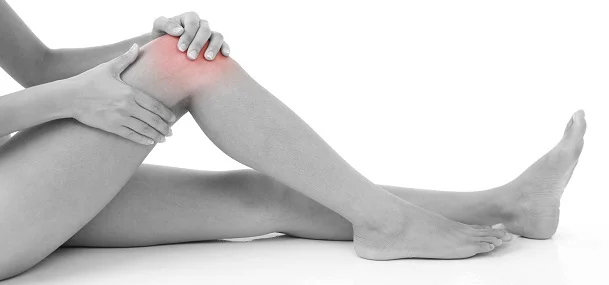
Osteoarthritis does not have a single cause but develops through the interaction of multiple contributing factors. Mechanical overuse from repetitive motions or high-impact activities gradually wears down cartilage over time. Excess body weight increases stress on weight-bearing joints. Every extra pound translates to roughly four pounds of additional pressure on the knees during walking.1 Past injuries, even those that seemed to heal completely, can create vulnerabilities that manifest as arthritis years or decades later. Systemic inflammation from diet, metabolic dysfunction or chronic stress accelerates cartilage breakdown throughout the body.
The joints most commonly affected include the knees, hips, low back, neck, shoulders, feet and hands. Each represents an area where mechanical stress accumulates over a lifetime of use.
Recognizing Arthritis Symptoms
People suffering from osteoarthritis typically experience limited range of motion, stiffness and pain in the affected joints. These symptoms characteristically worsen after periods of inactivity. Morning stiffness is a hallmark complaint, and improve after moving the joint for several minutes as synovial fluid circulates and lubricates the joint surfaces.
As cartilage deteriorates, joints often produce audible sounds: cracking, popping or grinding (called crepitus) during movement. These sounds reflect the roughened surfaces moving against each other without adequate cushioning. As the condition progresses, joints may show visible swelling from inflammation and fluid accumulation. Pain that was once intermittent becomes more constant, and activities that were previously manageable become difficult or impossible.
The Problem with Conventional Treatment
Non-steroidal anti-inflammatory drugs (NSAIDs) such as ibuprofen, naproxen and prescription options like Arthrotec represent the conventional first-line treatment for osteoarthritis pain. These medications effectively reduce pain and inflammation, which is why they’re so widely prescribed. However, their adverse effects extend beyond the commonly known risks of stomach irritation and bleeding.
Research has revealed a troubling finding: NSAID use may actually accelerate joint destruction in arthritis patients. Several high-quality studies have demonstrated that patients using NSAIDs show increased rates of cartilage loss and joint degradation compared to those who don’t use these medications.2,3,4 The mechanism likely involves either excessive joint use (because reduced pain allows activities that further damage compromised cartilage) or direct effects of these drugs on cartilage and bone metabolism.
This creates a paradox where the treatment for arthritis pain may worsen the underlying condition, leading to more pain and disability over time. Add to this the well-documented risks of gastrointestinal bleeding5 and kidney toxicity6 with long-term NSAID use, and there’s strong reason to consider alternatives.
This doesn’t mean pain management isn’t important. Chronic pain significantly impacts quality of life and function. But treatments exist that provide comparable pain relief without these concerning effects on joint integrity.
Natural Treatment Approaches
Naturopathic medicine offers several effective treatments for osteoarthritis that address both symptoms and underlying causes. Most patients achieve significant improvement in pain, stiffness and function through a combination approach using two or three complementary treatments.
Prolotherapy
Prolotherapy involves injecting a solution (typically dextrose) into damaged ligaments, tendons and joint spaces to stimulate the body’s natural healing response. The controlled inflammation triggered by the injection initiates a repair cascade that strengthens weakened structures and can improve joint stability. For osteoarthritis, prolotherapy addresses the ligament laxity that often accompanies and accelerates joint degeneration.
Acupuncture
Acupuncture has strong research support for arthritis pain management. The treatment reduces inflammation and swelling, decreases pain signaling and promotes healing in affected tissues. Unlike NSAIDs, acupuncture achieves pain relief through mechanisms that support rather than impair joint health. Studies comparing acupuncture to NSAIDs for osteoarthritis pain have found similar efficacy without the adverse effects on cartilage.7
Regular acupuncture sessions can provide cumulative benefits, with many patients achieving lasting improvement that persists between treatments. For those seeking to reduce or eliminate NSAID use, acupuncture offers a viable alternative for ongoing pain management.
Weight Management
Maintaining a healthy weight through diet modification and appropriate exercise is foundational to arthritis management. The mechanical relationship is straightforward: less weight means less stress on joints with every step and movement. But the benefits extend beyond mechanics. Adipose tissue is metabolically active, producing inflammatory compounds that contribute to systemic inflammation and accelerate cartilage breakdown. Weight loss reduces this inflammatory burden throughout the body.
Low-impact exercise such as swimming, cycling and walking maintains joint mobility and strengthens the muscles that support and protect arthritic joints. While it may seem counterintuitive to exercise painful joints, appropriate movement is essential for maintaining function and slowing progression.
Addressing Food Sensitivities
Immune reactions to specific foods can amplify inflammation and worsen arthritis symptoms. Some patients experience significant reduction in joint pain and stiffness after identifying and eliminating problematic foods. Common culprits include gluten, dairy, nightshade vegetables and various food additives, though individual patterns vary widely.
Food sensitivity testing can identify specific triggers, allowing targeted dietary modification rather than broad elimination diets. For patients whose arthritis has an inflammatory component beyond simple mechanical wear, addressing food sensitivities can provide meaningful relief.
Nutritional Support
Several supplements have demonstrated benefit for osteoarthritis in clinical research. Glucosamine and chondroitin support cartilage structure and may slow progression in some patients. Omega-3 fatty acids from fish oil reduce inflammatory processes. Specific herbs including turmeric (curcumin), boswellia and ginger have anti-inflammatory properties that can complement other treatments.
However, supplement protocols should be individualized based on your specific situation, other health conditions and medications. What works well for one person may be inappropriate for another. A naturopathic consultation can help identify which supplements are most likely to benefit your particular case while avoiding potential interactions or contraindications.
A Comprehensive Approach
The most effective arthritis treatment combines multiple modalities addressing different aspects of the condition. A typical treatment plan might include prolotherapy to address ligament laxity and joint mechanics, acupuncture for pain management and healing support, dietary modifications to reduce inflammatory burden, appropriate exercise to maintain function and targeted supplementation to support joint health.
This comprehensive approach recognizes that osteoarthritis results from multiple factors and responds best to treatment that addresses those factors simultaneously. Rather than simply masking pain while the underlying condition progresses, naturopathic treatment aims to reduce symptoms, slow progression and in some cases achieve meaningful improvement in joint function.
Getting Started
If you’re dealing with osteoarthritis and are interested in exploring natural treatment options, an initial consultation allows us to review your specific situation, including which joints are affected, the severity of changes, what you’ve tried previously and what your goals are. From this assessment, we can develop an individualized treatment plan targeting your particular needs.
Many patients come to naturopathic treatment after years of NSAID use with progressive worsening of their condition. While we can’t reverse established joint damage, treatment can often significantly reduce pain, improve function and slow further progression. These outcomes matter for quality of life and long-term joint health.
Related Resources
References
-
Messier SP, Gutekunst DJ, Davis C, DeVita P. Weight loss reduces knee-joint loads in overweight and obese older adults with knee osteoarthritis. Arthritis Rheum. 2005;52(7):2026-2032.
-
Huskisson EC, Berry H, Gishen P, Jubb RW, Whitehead J. Effects of antiinflammatory drugs on the progression of osteoarthritis of the knee. LINK Study Group. J Rheumatol. 1995;22(10):1941-1946.
-
Buckland-Wright JC, MacFarlane DG, Lynch JA, Jasani MK. Quantitative microfocal radiography detects changes in OA knee joint space width in patients in placebo controlled trial of NSAID therapy. J Rheumatol. 1995;22(5):937-943.
-
Rashad S, Revell P, Hemingway A, Low F, Rainsford K, Walker F. Effect of non-steroidal anti-inflammatory drugs on the course of osteoarthritis. Lancet. 1989;2(8662):519-522.
-
Levy M, Miller DR, Kaufman DW, et al. Major upper gastrointestinal tract bleeding: relation to the use of aspirin and other nonnarcotic analgesics. Arch Intern Med. 1988;148(2):281-285.
-
Ejaz P, Bhojani K, Joshi VR. NSAIDs and kidney. J Assoc Physicians India. 2004;52:632-640.
-
Müller-Fassbender H. Double-blind clinical trial of S-adenosylmethionine versus ibuprofen in the treatment of osteoarthritis. Am J Med. 1987;83(5A):81-83.