Acupuncture
Acupuncture has been used for over 2000 years to treat pain and promote healing. Dr. Colin MacLeod ND combines traditional techniques with modern trigger point release to effectively treat injuries and chronic pain.
Whether you're recovering from an injury, dealing with chronic pain or looking to improve athletic performance, acupuncture can help restore function and reduce discomfort.
How Acupuncture Works
Understanding the science behind this ancient healing practice
After an injury, the body responds with inflammation and tense muscles. While this protective reaction is designed to defend the injury site, it often leads to impaired healing due to excessive inflammation and muscles that are too tight to permit optimal blood flow.
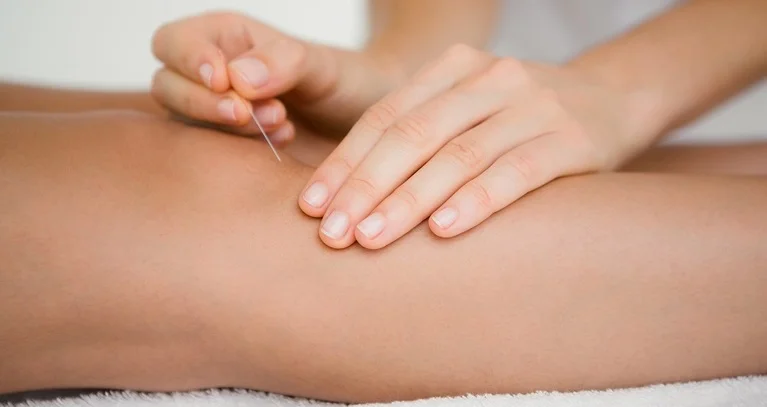
When a needle is inserted through the skin and into the belly of a tense muscle, the muscle spasms and then quietly relaxes. This allows muscles that have been stuck in one position to loosen up, leading to smoother blood flow and decreased inflammation.
Patients with old or new injuries often have visibly rigid muscle tissue. Once these muscles are loosened up, patients enjoy increased range of motion and less pain.
Muscle Relaxation
Releases tension in tight, spasmed muscles
Improved Blood Flow
Enhances circulation to injured areas
Reduced Inflammation
Decreases swelling and irritation
Faster Recovery
Accelerates the healing process
Conditions Treated
High-quality studies have found benefit from acupuncture in a variety of conditions
Osteoarthritis
Joint pain and stiffness from wear and tear
Plantar Fasciitis
Heel and foot pain affecting mobility
Low Back Pain
Chronic or acute lumbar discomfort
Neck Pain
Cervical tension and restricted movement
Migraines
Chronic headaches and migraine prevention
Tension Headaches
Muscle tension-related head pain
Joint Pain
Shoulder, knee, hip and other joints
Sports Injuries
Athletic strains, sprains and overuse
Beyond Injury & Pain
Acupuncture is also used for stress support, habit change and general wellness. Dr. MacLeod integrates traditional acupuncture with naturopathic care so treatment fits your broader health picture.
Electroacupuncture
Electroacupuncture uses traditional acupuncture combined with a gentle electric current to enhance the therapeutic effect. The electrical stimulation strengthens the muscle twitch response and improves results beyond acupuncture alone.
The electrical pulses are similar to transcutaneous electrical nerve stimulation (TENS) but act deeper and closer to the problem area. The current is low enough to cause a gentle twitch of the affected muscle fibers while preventing muscle spasm.
Benefits of Electroacupuncture
- Enhanced muscle relaxation
- Deeper tissue penetration
- Improved treatment outcomes
- Precise targeting of problem areas
How Electroacupuncture Works
Needle Placement
Acupuncture needles are inserted at specific trigger points
Electrical Connection
Small clips connect needles to the electrostim device
Gentle Stimulation
Low-intensity current creates rhythmic muscle contractions
Deep Release
Muscles release tension and healing is accelerated
Frequently Asked Questions
Does acupuncture hurt?
Most patients experience minimal discomfort during acupuncture. The needles used are very fine, much thinner than injection needles. You may feel a brief pinch upon insertion, followed by a sensation of pressure or heaviness at the needle site, which is actually a sign that the treatment is working.
How many treatments will I need?
The number of treatments varies depending on the condition being treated, how long you've had it and how your body responds. Acute injuries may improve in 2-4 sessions, while chronic conditions often require 6-10 treatments. Many patients notice improvement after the first session.
Is acupuncture covered by insurance?
Yes, most extended health insurance plans cover acupuncture when performed by a Naturopathic Doctor. We offer direct billing for many major insurers. Check with your insurance provider to confirm your coverage.
What should I do after an acupuncture treatment?
After treatment, drink plenty of water, avoid strenuous exercise for 24 hours and take note of any changes in your symptoms. Some patients feel relaxed or tired after treatment, while others feel energized. Mild soreness at needle sites is normal and typically resolves within a day.
Learn More
Explore related articles on pain management and natural health.
Natural Treatment for Sports Injuries
Naturopathic treatment of sports injuries including prolotherapy, acupuncture and nutritional support can accelerate healing and help prevent re-injury.
Natural Anxiety Management: Evidence-Based Approaches
Discover evidence-based natural approaches to anxiety management including lifestyle, nutrition and nervous system support from a Halifax naturopathic doctor.
Quit Smoking With Acupuncture
Acupuncture helps reduce nicotine cravings and improves smoking cessation rates. Learn how this traditional treatment supports quitting smoking.
Ready to Get Started?
Book a consultation to discuss how acupuncture can help you recover from injury, reduce pain and improve your quality of life.
Book OnlineView References
1. Hübscher M, Vogt L, Ziebart T, Banzer W. Immediate effects of acupuncture on strength performance: a randomized, controlled crossover trial. Eur J Appl Physiol. 2010 Sep;110(2):353-8.
2. Selfe TK, Taylor AG. Acupuncture and osteoarthritis of the knee: a review of randomized, controlled trials. Fam Community Health. 2008 Jul-Sep;31(3):247-54.
3. Karagounis P, Tsironi M, Prionas G, Tsiganos G, Baltopoulos P. Treatment of plantar fasciitis in recreational athletes: two different therapeutic protocols. Foot Ankle Spec. 2011 Aug;4(4):226-34.
4. Trigkilidas D. Acupuncture therapy for chronic lower back pain: a systematic review. Ann R Coll Surg Engl. 2010 Oct;92(7):595-8.
5. Fu LM, Li JT, Wu WS. Randomized controlled trials of acupuncture for neck pain: systematic review and meta-analysis. J Altern Complement Med. 2009 Feb;15(2):133-45.
6. Linde K, Allais G, Brinkhaus B, Manheimer E, Vickers A, White AR. Acupuncture for migraine prophylaxis. Cochrane Database Syst Rev. 2009 Jan 21;(1):CD001218.
7. Linde K, Allais G, Brinkhaus B, Manheimer E, Vickers A, White AR. Acupuncture for tension-type headache. Cochrane Database Syst Rev. 2009 Jan 21;(1):CD007587.
8. Crew KD, Capodice JL, Greenlee H, et al. Randomized, blinded, sham-controlled trial of acupuncture for the management of aromatase inhibitor-associated joint symptoms in women with early-stage breast cancer. J Clin Oncol. 2010 Mar 1;28(7):1154-60.