Sports Medicine & Regenerative Therapy
Get back to the activities you love. Our regenerative injection therapies help heal injuries, reduce pain and restore function for athletes and active individuals throughout Halifax.
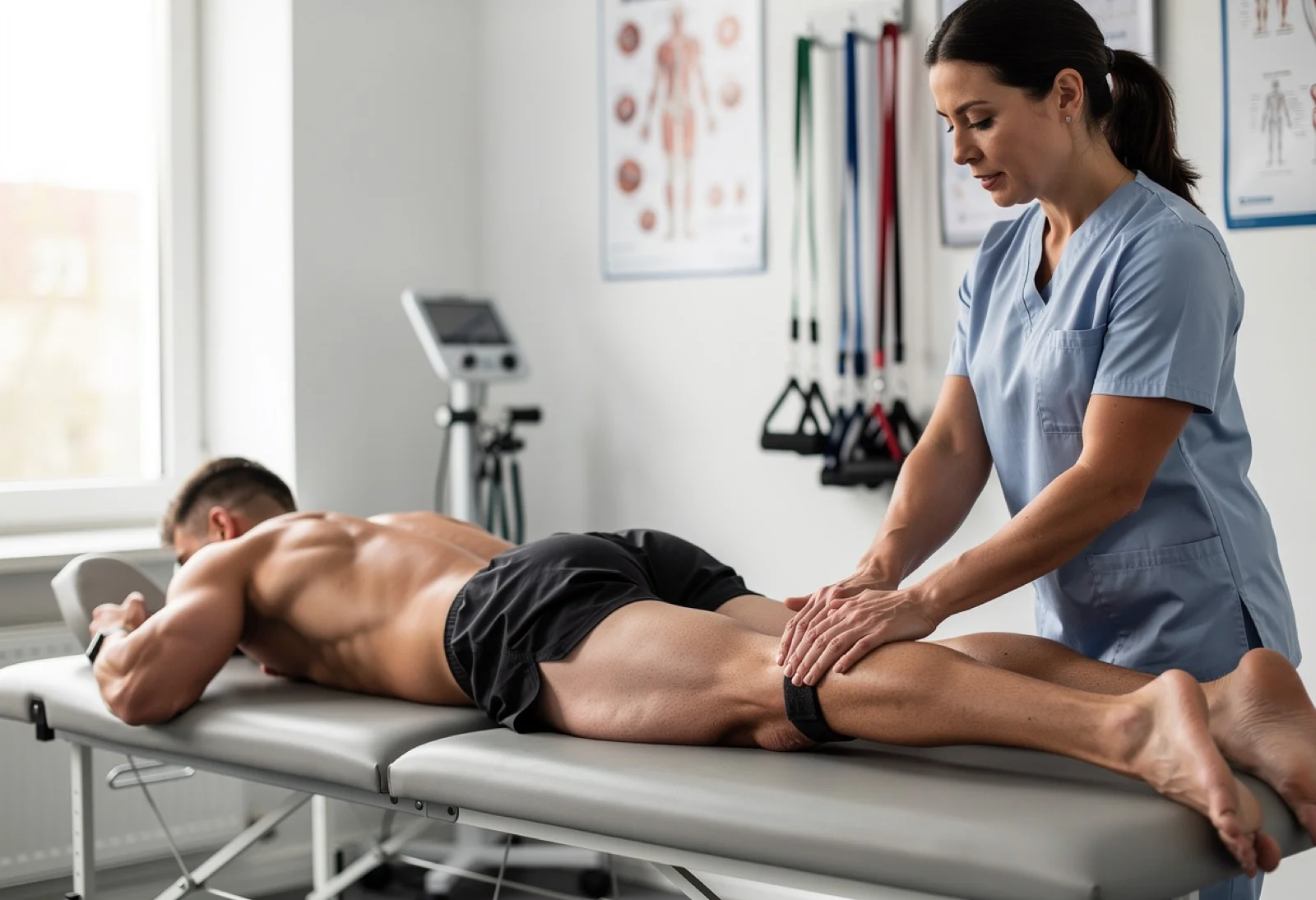
Why Regenerative Medicine for Sports Injuries?
Traditional approaches often mask pain without addressing the underlying tissue damage. Regenerative injection therapies stimulate your body's natural healing response to repair damaged ligaments, tendons and joints rather than just manage symptoms.
Heal the Source
Target damaged tissue directly rather than masking pain with medications
Avoid Surgery
Non-surgical option that can help many athletes avoid or delay invasive procedures
Return to Activity
Progressive healing allows gradual return to sport with lasting results
Our Regenerative Treatments
Evidence-informed injection therapies to address different aspects of sports injuries and joint conditions
Prolotherapy
Concentrated dextrose injections for tissue regeneration
Prolotherapy uses a concentrated dextrose (sugar) solution to trigger a regenerative response. When injected into damaged ligaments, tendons or joints, it stimulates growth factor production and tissue repair.
Best For:
- Ligament sprains and laxity
- Chronic tendinitis (tennis elbow, Achilles)
- Osteoarthritis (knee, hip, thumb)
- Joint instability
Platelet-Rich Plasma
Growth-factor-rich injections using your own blood
Platelet-rich plasma (PRP) concentrates the platelet fraction from your own blood and injects it at the site of injury. These platelets release growth factors that support tendon, ligament and joint tissue repair.
Best For:
- Tendon injuries and tendinopathy
- Osteoarthritis and cartilage-related pain
- Rotator cuff and elbow tendon injuries
- Persistent sports injuries that have not responded to rehab alone
Common Sports Injuries We Treat
From weekend warriors to competitive athletes, we help Nova Scotians recover from a wide range of sports-related injuries
Knee Injuries
- • ACL/MCL sprains and laxity
- • Patellar tendinitis (jumper's knee)
- • Meniscus injuries
- • Runner's knee
- • Osgood-Schlatter disease
Shoulder Injuries
- • Rotator cuff tendinitis/tears
- • Shoulder impingement
- • AC joint injuries
- • Labral tears
- • Chronic instability
Elbow & Wrist
- • Tennis elbow (lateral epicondylitis)
- • Golfer's elbow (medial epicondylitis)
- • Wrist sprains
- • TFCC injuries
Hip & Pelvis
- • Hip labral tears
- • Hip flexor strains
- • SI joint dysfunction
- • Greater trochanteric bursitis
- • Groin strains
Ankle & Foot
- • Achilles tendinitis/tendinosis
- • Ankle sprains (chronic)
- • Plantar fasciitis
- • Peroneal tendinitis
Back & Spine
- • Low back pain
- • Facet joint syndrome
- • Sacroiliac dysfunction
- • Whiplash injuries
- • Disc-related pain
For Active Nova Scotians
Whether you're training for the Bluenose Marathon, playing in a rec hockey league or simply staying active with your family, injuries can derail your goals. Our regenerative therapies help you get back to the activities that matter to you.
Popular Activities We Support
- Running & Trail Running
- Hockey & Skating
- Golf
- CrossFit & Weightlifting
- Cycling & Mountain Biking
- Swimming & Water Sports
Who Benefits Most
- Athletes with chronic injuries
- Those seeking surgery alternatives
- Weekend warriors with recurring pain
- Active adults wanting to stay mobile
- Those who haven't improved with physio alone
- Youth athletes (Osgood-Schlatter, etc.)
What to Expect
A typical treatment series involves 4-6 sessions, with many patients noticing improvement after 2-3 treatments
Initial Assessment
Comprehensive evaluation of your injury, movement patterns and treatment history. We'll discuss your athletic goals and develop a personalized treatment plan.
Treatment Sessions
Injections are performed in-office, typically taking 15-30 minutes. A local anesthetic minimizes discomfort. Most patients describe mild pressure during the procedure.
Recovery Period
Rest from intense activity for 1-2 days post-treatment. Light movement is encouraged. Some temporary soreness is normal and indicates the healing response has begun.
Progressive Return
Gradual return to activity as healing progresses. Treatments are typically spaced 1-2 weeks apart. We'll monitor your progress and adjust the plan as needed.
Supporting Your Recovery
Regenerative injections work best as part of a comprehensive approach. We may recommend additional support:
IV Nutrient Therapy
Myers' Cocktail and other formulas to optimize tissue healing and energy for athletes.
Nutritional Support
Anti-inflammatory diet strategies and targeted supplementation for connective tissue repair.
Lab Testing
Identify nutritional deficiencies or inflammatory markers that may slow healing.
Physiotherapy Coordination
We work alongside your physiotherapist to optimize rehabilitation and strengthen healed tissues.
Frequently Asked Questions
How long until I can return to my sport?
Most patients can return to light activity within 2-3 days and gradually increase intensity over the following weeks. Full return to sport typically occurs after completing the treatment series (4-6 weeks), though this varies based on injury severity and individual healing response. We'll provide specific guidance based on your situation.
Should I stop physiotherapy during treatment?
Not necessarily. Regenerative injections and physiotherapy often work well together. We recommend avoiding aggressive manipulation or deep tissue work for 48-72 hours after treatment, but gentle exercises and stretching can continue. We're happy to coordinate with your physiotherapist to optimize your care.
Can I take anti-inflammatories?
We recommend avoiding NSAIDs (ibuprofen, naproxen, etc.) for 48-72 hours before and after treatment, as they can interfere with the inflammatory healing response we're trying to stimulate. Acetaminophen (Tylenol) is acceptable if needed for discomfort. We'll discuss pain management strategies during your consultation.
Is this covered by insurance?
Most extended health benefit plans cover naturopathic medicine, which includes our regenerative injection therapies. Coverage varies by plan. Check with your provider for your specific naturopathic medicine benefits. We offer direct billing for many major insurers.
What's the difference between prolotherapy and cortisone?
Cortisone suppresses inflammation and can provide short-term pain relief, but doesn't promote tissue healing and may actually weaken tendons with repeated use. Prolotherapy works differently: it stimulates a controlled healing response to strengthen and repair damaged tissue. Research comparing the two found both effective short-term, but prolotherapy showed superior results at 6 months.
Do you treat youth athletes?
Yes, we treat adolescent athletes with certain conditions like Osgood-Schlatter disease, where prolotherapy has shown excellent results in research. Treatment decisions for youth are made carefully with parental involvement, considering the specific condition and growth plate status. We'll discuss whether treatment is appropriate during the initial consultation.
Related Information
Low Back Pain
Learn how regenerative injections can address chronic low back pain from sports or daily activities.
Prolotherapy for Arthritis
Detailed information on prolotherapy research and its effectiveness for osteoarthritis.
IV Nutrient Therapy
Support your recovery and athletic performance with targeted nutrient infusions.
Ready to Get Back in the Game?
Don't let an injury keep you sidelined. Book your assessment today and discover how regenerative injection therapy can help you return to the activities you love.
Book Online