Quit Smoking With Acupuncture
Acupuncture helps reduce nicotine cravings and improves smoking cessation rates. Learn how this traditional treatment supports quitting smoking.


On This Page
Smoking has a major impact on our population. In Canada, 17% of adults smoke regularly1 and 16.6% of people die due to smoking-related causes2. The leading smoking-induced causes of death in Canada are cancer (47%), cardiovascular disease (28%) and respiratory diseases (22%)2.
Acupuncture & Smoking
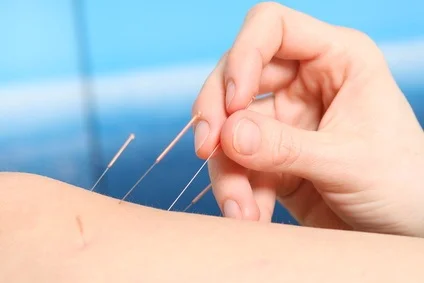
Acupuncture has been used for over two thousand years in Traditional Chinese Medicine to support health and treat many health conditions. Within the past 50 years acupuncture has become a popular treatment method all over the world, including in the treatment of nicotine addiction.
Acupuncture as a treatment for smoking and addictions has been extensively studied over the past few decades. Many studies have shown positive effects, including reduced cravings and improved cessation rates3. Other studies have found acupuncture to be quite helpful in treatment of addictions in general, including in treating concurrent substance use and anxiety4. In my practice I have seen very encouraging results with acupuncture for quitting smoking and managing withdrawal. It is an essential part of my practice for helping patients, even those with a long history of smoking, to reduce and even quit.
Respiratory Conditions
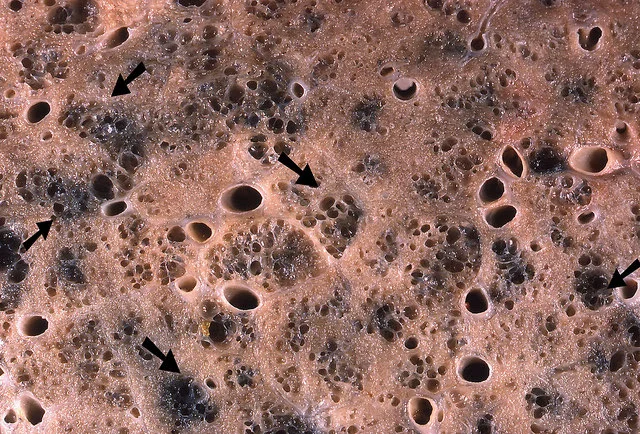
Compounds within cigarette smoke have been shown to directly cause lung cancer5 and smoking has also been shown to be the direct cause of chronic obstructive pulmonary disease (COPD)6. Regular cigarette smoking also damages the airways and lung tissue, leading to respiratory conditions such as emphysema and chronic bronchitis.
Cardiovascular Disease
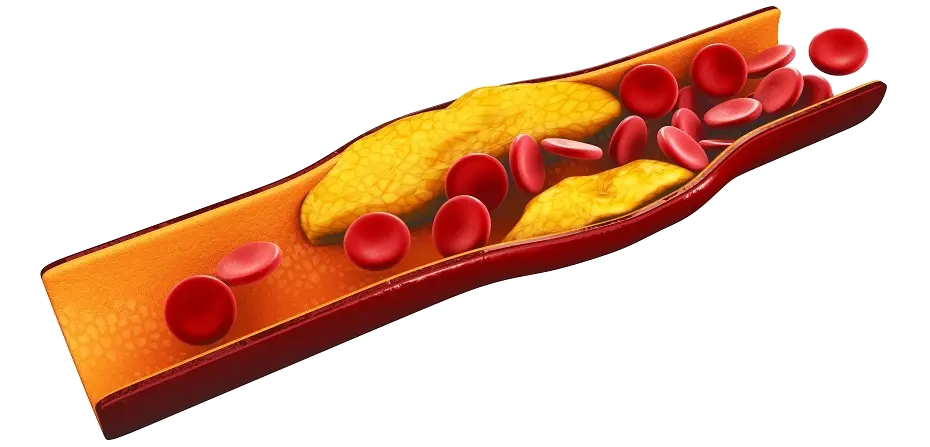
Cigarette smoking also contributes significantly to the build-up of plaques within the blood vessels. These plaque deposits lead to atherosclerosis and increase risk of heart attack and stroke7. It has been estimated that smoking doubles the risk of stroke8. The risk of having a heart attack or stroke increases with the number of cigarettes smoked per day.
A review of smoking research by the U.S. Surgeon General9 concluded that “smoking harms nearly every organ of the body, causing many diseases and reduces the health of smokers in general.” Also, “quitting smoking has immediate as well as long-term benefits.”
Conventional Treatments
As far as conventional treatment for quitting smoking goes, nicotine replacement therapy (patches, gum)10, varenicline (Champix) and buproprion (Zyban) all help to reduce craving and promote abstinence, though each has possible side effects. Champix can cause gastrointestinal side effects11 and research has shown that it may increase cardiovascular risk12. Nicotine gum or patches are generally quite safe but should not be used during pregnancy due to an increased risk of congenital malformations13. Zyban which is also used as an anti-depressant is another safe treatment with more mild side effects of insomnia, dry mouth and nausea.
Acupuncture To Quit Smoking in Halifax
If you are interested in receiving acupuncture to help quit smoking in the Halifax area, please contact Dr. Colin MacLeod, ND to book an initial naturopathic visit to discuss your options. Learn more about our acupuncture services.
References
- Reid JL, Hammond D, Rynard VL, Burkhalter R. Tobacco Use in Canada: Patterns and Trends, 2014 Edition. Waterloo, ON: Propel Centre for Population Health Impact, University of Waterloo.
- Baliunas D, Patra J, Rehm J, Popova S, Kaiserman M, Taylor B. Smoking-attributable mortality and expected years of life lost in Canada 2002: conclusions for prevention and policy. Chronic Dis Can. 2007;27(4):154-62.
- Bier ID, Wilson J, Studt P, Shakleton M. Auricular acupuncture, education and smoking cessation: a randomized, sham-controlled trial. Am J Public Health. 2002 Oct;92(10):1642-7.
- Courbasson CM, de Sorkin AA, Dullerud B, Van Wyk L. Acupuncture treatment for women with concurrent substance use and anxiety/depression: an effective alternative therapy? Fam Community Health. 2007 Apr-Jun;30(2):112-20.
- Hecht SS. Tobacco Smoke Carcinogens and Lung Cancer. JNCI J Natl Cancer Inst. 1999 91(14):1194-1210.
- CDC - Fact Sheet - Health Effects of Cigarette Smoking. Centers for Disease Control and Prevention, 10 Jan. 2012.
- Ockene IS, Houston Miller N. Cigarette Smoking, Cardiovascular Disease and Stroke: A Statement for Healthcare Professionals From the American Heart Association. Circulation. 1997;96:3243-3247.
- Shinton R, Beevers G. Meta-analysis of relation between cigarette smoking and stroke. BMJ. 1989;298(6676):789-794.
- The health consequences of smoking: a report of the Surgeon General. U.S. Dept. of Health and Human Services, 2004.
- Moore D, Aveyard P, Connock M, Wang D, Fry-Smith A, Barton P. Effectiveness and safety of nicotine replacement therapy assisted reduction to stop smoking: systematic review and meta-analysis. BMJ. 2009 Apr 2;338:b1024.
- Leung LK, Patafio FM, Rosser WW. Gastrointestinal adverse effects of varenicline at maintenance dose: a meta-analysis. BMC Clin Pharmacol. 2011 Sep 28;11:15.
- Singh S, Loke YK, Spangler JG, Furberg CD. Risk of serious adverse cardiovascular events associated with varenicline: a systematic review and meta-analysis. CMAJ. 2011 Sep 6;183(12):1359-66.
- Morales-Suárez-Varela MM, Bille C, Christensen K, Olsen J. Smoking habits, nicotine use and congenital malformations. Obstet Gynecol. 2006 Jan;107(1):51-7.