Electrolytes and Hydration: Beyond the #WaterTok Trend
Loaded water and electrolyte drinks are trending on social media. Here's what you actually need to know about hydration, electrolytes and whether fancy water is worth it.

On This Page
The #WaterTok Phenomenon
If you’ve been on TikTok lately, you’ve likely encountered #WaterTok, a trend featuring massive cups of “loaded water” mixed with electrolyte powders, colorful flavorings and various supplements. These concoctions are marketed as boosting energy, improving digestion, enhancing focus and solving virtually every health complaint.
The trend has turned hydration into content creation, with influencers showcasing elaborate water recipes and promoting specific electrolyte brands. But amid the colorful drinks and marketing claims, what does the science actually say about electrolytes and hydration?
Understanding Electrolytes
Electrolytes are minerals that carry an electrical charge when dissolved in water. They’re essential for fluid balance between cells and blood, nerve function and signal transmission, muscle contraction including your heart muscle, pH balance and nutrient transport in and out of cells.
The major electrolytes include sodium, potassium, magnesium, calcium and chloride. Sodium and chloride are found in table salt and processed foods, potassium in bananas, potatoes and leafy greens, magnesium in nuts, seeds and whole grains, and calcium in dairy, fortified foods and leafy greens.
Do You Actually Need Electrolyte Supplements?
Here’s the honest answer: most people don’t need electrolyte supplements for daily hydration.
Your body regulates electrolytes remarkably well. Your kidneys adjust electrolyte excretion based on intake, and a balanced diet typically provides all the electrolytes you need.
Plain water is sufficient for most situations. For everyday activities like working at a desk, running errands or light exercise, plain water meets your hydration needs.
When Electrolyte Supplementation Makes Sense
There are legitimate situations where additional electrolytes can be beneficial.
Prolonged intense exercise lasting more than an hour can deplete sodium through sweat, along with other key nutrients for athletes. Electrolyte replacement helps maintain performance, particularly in hot, humid conditions.
Endurance activities like marathon running, long-distance cycling and hiking involve extended periods of sweating that deplete electrolyte stores. Replacement can help prevent exercise-associated hyponatremia (dangerously low sodium).
Illness with fluid loss from vomiting, diarrhea or fever can benefit from electrolyte replacement to speed recovery. Oral rehydration solutions are specifically designed for this purpose.
Very hot environments, whether working outdoors in summer heat, acclimatizing to hot climates or heavy sweating for extended periods, may warrant additional electrolytes.
Certain medical conditions affecting kidney function or adrenal glands, or some medications that increase electrolyte loss, may require supplementation under medical supervision.
Those following a very low-carbohydrate or ketogenic diet may benefit from supplementation since these diets increase sodium and potassium excretion, and supplementation can help prevent “keto flu” symptoms.
The Problem with “Loaded Water”
The #WaterTok trend often goes beyond simple electrolyte replacement with potential downsides.
Many recipes include multiple powders, flavorings and supplements that add unnecessary sugar or artificial sweeteners, include stimulants or questionable ingredients and create combinations that haven’t been studied for safety.
Electrolyte drinks are marketed as curing fatigue, brain fog, bloating and numerous other complaints. While dehydration can certainly cause these symptoms, simply drinking more water usually solves the problem without fancy additives.
The focus on elaborate water recipes can distract from fundamental habits like eating a balanced diet with whole foods, addressing underlying health issues, getting adequate sleep and managing stress.
Excessive electrolytes can be harmful, particularly for people with kidney disease or heart conditions. High sodium intake may contribute to elevated blood pressure, and artificial ingredients in some products may cause digestive issues.
Evidence-Based Hydration Guidelines
The “8 glasses a day” rule is a rough approximation, not a scientific target. Your actual needs depend on body size, activity level, climate, diet (water-rich foods contribute to hydration) and individual variation.
A better approach is to drink when thirsty and check your urine color. Pale yellow indicates adequate hydration while dark yellow suggests you need more fluids.
Signs of dehydration include thirst (the most obvious signal), dark urine, fatigue, headache, dry mouth and decreased urine output.
Overhydration is also possible. Signs include frequent urination with clear urine, nausea, headache and in severe cases, confusion and swelling (hyponatremia).
Simple Electrolyte Solutions
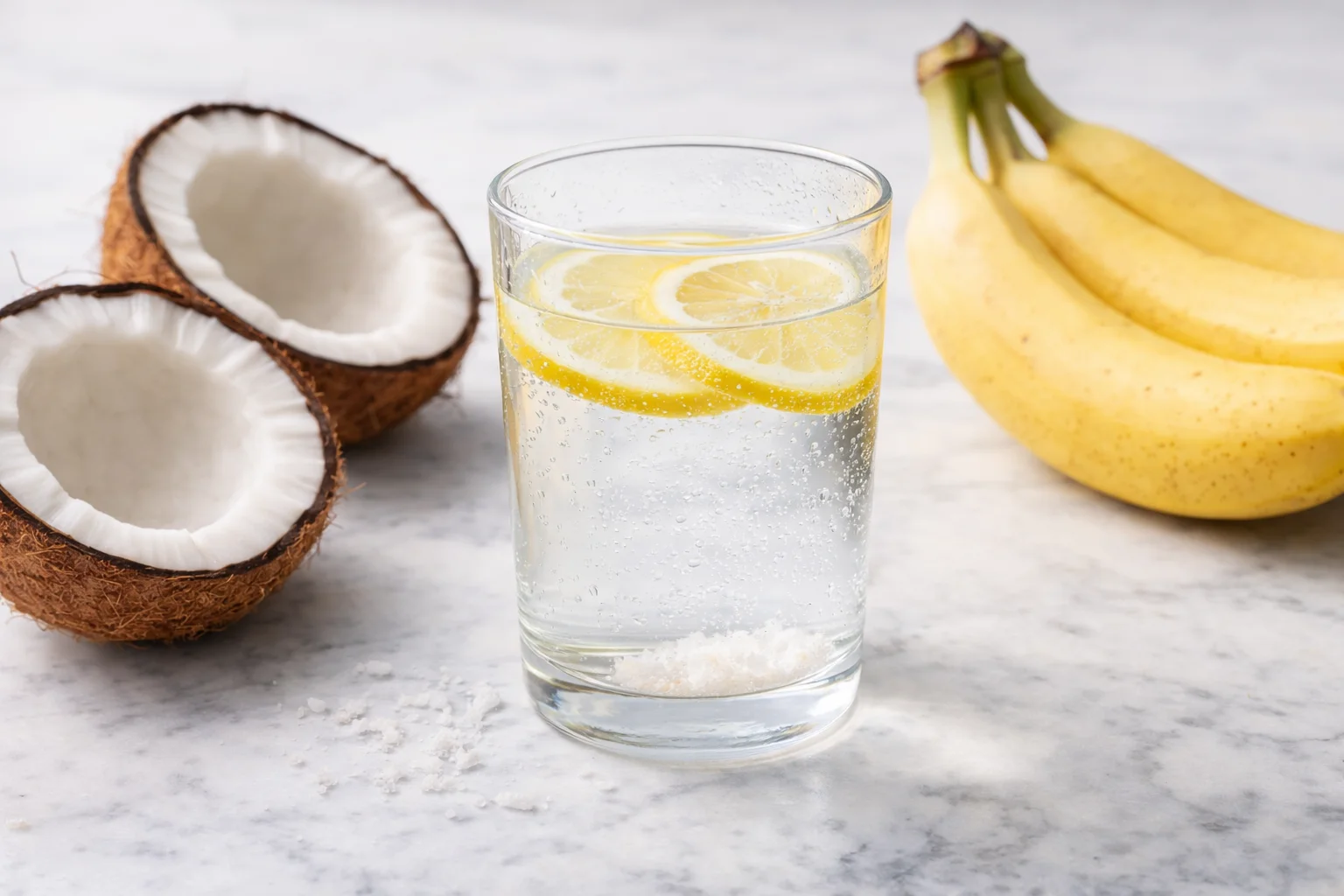
If you do need electrolyte replacement, you don’t need expensive products. A simple homemade electrolyte drink can be made with water, a small amount of salt and a splash of citrus juice or a small amount of honey. This provides sodium, potassium and a small amount of sugar to enhance absorption, similar to commercial sports drinks at a fraction of the cost.
Food-based approaches work well too. A banana with a glass of water provides potassium, pickle juice provides sodium (a trick used by athletes), coconut water offers a natural electrolyte blend and broth or soup provides sodium and is particularly helpful during illness.
Special Considerations
The American College of Sports Medicine recommends electrolyte replacement for exercise lasting longer than one hour, particularly in hot conditions. Individualized sweat testing can help determine specific needs for serious athletes.
The thirst mechanism can become less sensitive with age. Older adults may benefit from drinking on a schedule rather than relying solely on thirst.
Certain medications, including diuretics, laxatives and some blood pressure medications, can affect electrolyte balance. Discuss hydration strategies with your healthcare provider if you take these medications.
The Bottom Line
Adequate hydration is genuinely important for health. However, for most people in most situations, plain water combined with a balanced diet provides everything you need.
Electrolyte supplements have their place during prolonged exercise, illness or in specific medical situations, but they’re not necessary for everyday hydration. The elaborate “loaded water” recipes on social media are more about content creation than health optimization.
Focus on the fundamentals: drink when thirsty, eat a varied diet with plenty of fruits and vegetables, pay attention to your body’s signals and save the electrolyte supplements for situations where they’re actually needed.
Hydration and Nutrition Support in Halifax
If you have questions about hydration, electrolytes or how to optimize your nutrition for your activity level and health goals, please contact Dr. Colin MacLeod, ND to book an initial visit. Dr. MacLeod provides clinical nutrition services and can help you cut through the social media hype and develop an evidence-based approach to your nutrition needs.
References
- Sawka MN, Burke LM, Eichner ER, et al. American College of Sports Medicine position stand: Exercise and fluid replacement. Med Sci Sports Exerc. 2007;39(2):377-390.
- Thomas DT, Erdman KA, Burke LM. Position of the Academy of Nutrition and Dietetics, Dietitians of Canada and the American College of Sports Medicine: Nutrition and Athletic Performance. J Acad Nutr Diet. 2016;116(3):501-528.
- Armstrong LE, Johnson EC. Water intake, water balance and the elusive daily water requirement. Nutrients. 2018;10(12):1928.
- Shirreffs SM, Sawka MN. Fluid and electrolyte needs for training, competition and recovery. J Sports Sci. 2011;29 Suppl 1:S39-46.