01
Review the exposure
Your health history, work and home exposures, symptoms, medications and previous results help establish which metals and tests are relevant.
Chelation therapy uses medications that bind selected metals so they can be removed from the body.
It has an established role in the treatment of specific toxic-metal exposures and is used in the practice for selected patients after appropriate assessment and testing.
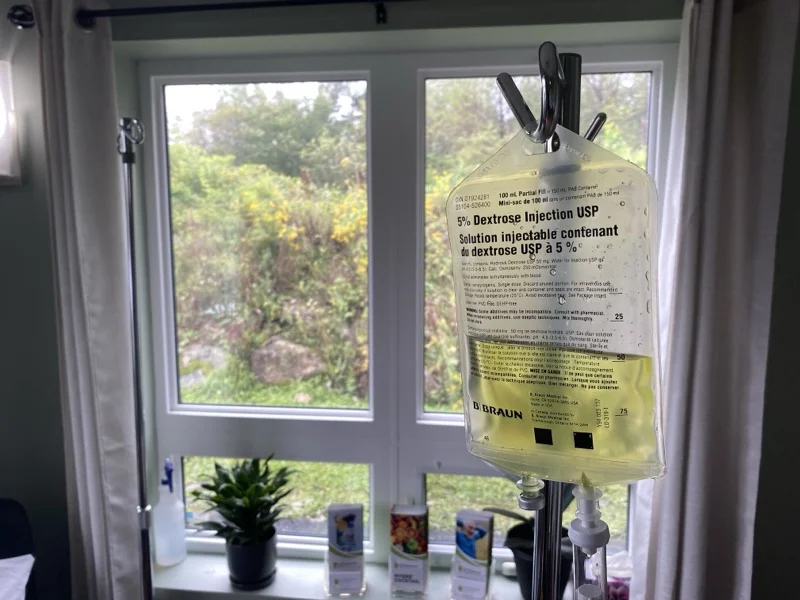
Assessment-led chelation therapy
Chelating agents bind particular metals and allow more of them to be excreted. Different agents have different uses: a treatment appropriate for lead exposure is not automatically appropriate for mercury, arsenic or another metal.
The presence of a metal in a laboratory result does not by itself mean that chelation is needed. The concentration, exposure history, symptoms, timing, kidney function and available care options all matter. Removing the exposure source and arranging appropriate follow-up remain central; chelation is considered only for selected, confirmed exposures.

Concerned about lead exposure?
Learn about common sources, health effects and the testing used to assess lead exposure.
Read the lead toxicity guideAssessment before treatment
Symptoms of metal exposure can overlap with many other conditions. Testing and treatment are therefore chosen around the exposure itself—not from symptoms alone.
Your health history, work and home exposures, symptoms, medications and previous results help establish which metals and tests are relevant.
Blood or urine testing may be used depending on the metal, the type of exposure and how recently it occurred. Results are interpreted in that context.
Identifying and reducing an ongoing exposure is a central part of care. Chelation is not a substitute for removing the source.
When chelation is appropriate, the agent, dose, route and monitoring plan are selected for the specific metal and your health status.
How treatment works
EDTA is one chelating agent; other medications are used for other metals or clinical circumstances. Treatment may be intravenous or oral. The route and schedule depend on the agent, the exposure and the patient’s health status.
The laboratory findings and type of exposure guide the choice of chelating agent.
Kidney function, blood counts, minerals and other tests may be reviewed before treatment.
Dose and frequency are adjusted to the chelator, test findings and clinical circumstances.
Symptoms, kidney function, hydration and relevant laboratory markers are followed during care.
What an appointment involves
An initial consultation is used to review the suspected exposure, current symptoms, health history, medications and any laboratory results you already have. Further testing can be arranged when it would help determine whether treatment is indicated or how it should be provided.
If chelation is suitable, the proposed agent, route, expected schedule, monitoring and costs are reviewed before proceeding. Some exposures require coordination with a family doctor, poison centre, toxicology service or emergency department.
Bring previous results when possible
Laboratory reports, a list of medications and supplements, and details about where and when the exposure may have occurred are all useful.
Safety and monitoring
Chelating agents can affect kidney function, fluid balance and essential minerals, and they can interact with a patient’s health conditions and other care. The risks differ by medication, dose and route.
Review kidney and liver function, medications, pregnancy status, cardiovascular health and relevant laboratory findings.
Use an appropriate infusion rate or oral schedule and monitor tolerance, hydration and any treatment-specific concerns.
Repeat the relevant clinical and laboratory assessment before deciding whether additional treatment is warranted.
Book a consultation to review the exposure, determine which testing is appropriate and discuss whether chelation belongs in your care plan.