On This Page
The plantar fascia is a flat strand of ligamentous tissue which connects the heel bone to the toes. It is responsible for the arch shape of the foot.
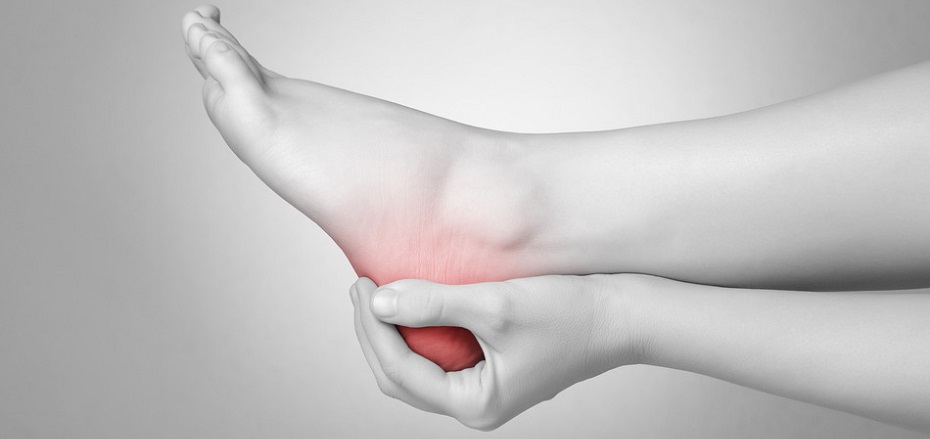
Causes of Plantar Fasciitis
When the plantar fascia is strained it can weaken and swell. A cycle of fascial injury and tearing can occur which may lead to a chronic case of plantar fasciitis with associated chronic pain. Plantar Fasciitis is primarily caused by stretching and tearing of the ligamentous tissue of the plantar fascia.
Symptoms of Plantar Fasciitis
Plantar fasciitis is typically felt as a sharp, stabbing pain in the sole of the foot in or around the heel and is the most common cause of heel pain in adults. The pain usually occurs in the morning when taking your first steps, while resting after physical activity or after standing for prolonged periods of time.
Symptoms may also appear as stiffness and pain in the heel at the beginning of physical exercise which improves as exercise continues only to return when exercise is completed. Plantar fasciitis may be mistaken for osteoarthritis as the symptoms of pain and stiffness are similar.
Plantar Fasciitis Risk Factors
There are a number of factors which can increase a person’s risk of developing plantar fasciitis:
- Increased age
- Personal or family history of arthritis
- Recent weight gain or being chronically overweight
- Tightness of the Achilles tendon or calf muscles
- Activities that increase physical stress on the feet, such as unconditioned running, change of running surface, wearing poorly cushioned shoes and prolonged standing on hard surfaces
Diagnosis
Diagnosis of plantar fasciitis is based on history taking and physical exam. Generally an X-ray will not be required unless a fracture is suspected or to rule out osteoarthritis. In rare cases an MRI might be required to confirm the diagnosis of plantar fasciitis.
Plantar Fasciitis Treatment
The goals when treating plantar fasciitis are to:
- Relieve heel pain
- Allow tears in the plantar fascia ligament to heal
- Improve strength and flexibility
- Correct structural problems such as excessive pronation which stress the tissue of the plantar fascia
- Achieve enough recovery to allow return to usual activity level
The vast majority of cases of plantar fasciitis do not require surgical treatment. Conventional treatment for plantar fasciitis may involve a rehabilitative exercise protocol, wearing supportive footwear and improving ergonomics.
Prolotherapy Injections
Prolotherapy is an injection-based treatment that uses a concentrated dextrose solution to stimulate a local healing response in injured or chronically irritated connective tissue. For plantar fasciitis, treatment is directed at the plantar fascia and related ligament attachments that contribute to persistent heel pain.
Prolotherapy can be considered when plantar fasciitis has not improved with footwear changes, stretching, strengthening and activity modification. Read more about prolotherapy.