IV Vitamin C Therapy
Intravenous vitamin C produces different blood concentrations than oral vitamin C, but that pharmacological difference does not establish benefit for every symptom or condition. Assessment, screening and informed consent come first.
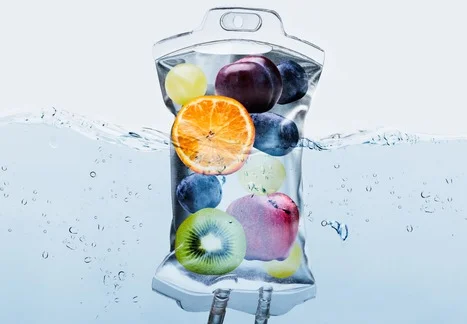
intravenous administration
indication and formulation review
minutes per treatment session
for contraindications and risks
IV and Oral Vitamin C Are Different
Oral absorption is regulated by the gastrointestinal tract, and the fraction absorbed decreases as oral doses increase. Higher oral intake can also cause digestive effects.
IV administration bypasses gastrointestinal absorption and produces higher circulating concentrations. Higher concentration is a pharmacological fact, not proof of a better clinical outcome. The relevance depends on the indication and supporting evidence.
C Oral Vitamin C
- Absorption is regulated and dose-dependent
- Higher doses cause GI upset
- Produces lower circulating concentrations than IV administration
- Often the less invasive route when supplementation is indicated
IV IV Vitamin C
- Enters the circulation directly
- Bypasses GI tract entirely
- Produces higher circulating concentrations
- Clinical benefit must be established separately for each use
Who Benefits from IV Vitamin C?
IV vitamin C supports multiple aspects of health through its antioxidant, immune-supporting and tissue-repair properties.
Immune Function
Vitamin C has established biological roles in immune function. This does not establish IV vitamin C as a treatment for acute infection.
Acute Illness Evidence
Research in acute illness is condition- and setting-specific. It does not support routine IV treatment for common infections.
Post-Viral Symptoms
Evidence does not establish IV vitamin C as a treatment for Long COVID or post-viral fatigue. Persistent symptoms require appropriate assessment.
Fatigue
Fatigue has many possible causes. Limited studies do not justify presenting IV vitamin C as a general fatigue treatment.
Stress Claims
The presence of vitamin C in adrenal tissue does not establish that IV vitamin C treats stress or “adrenal depletion.”
Collagen Biology
Vitamin C is required for normal collagen synthesis, but this does not establish high-dose IV treatment for skin or connective-tissue concerns.
The Science of IV Vitamin C
Vitamin C (ascorbic acid) is a potent antioxidant and essential cofactor for numerous enzymatic reactions in the body. It supports immune function through multiple mechanisms:
- Enhances neutrophil function, improving their ability to engulf and destroy pathogens
- Supports T and B cell development, critical for adaptive immunity
- Increases antibody production. Studies show higher IgA, IgG and IgM levels with supplementation
- Reduces oxidative stress, protecting cells from damage during infection
- Supports collagen synthesis, essential for tissue repair and wound healing
At high concentrations achievable only through IV administration, vitamin C may also have pro-oxidant effects that help fight certain pathogens while remaining protective to healthy cells.
How to Read the Research
Biological roles of vitamin C do not by themselves demonstrate that an IV infusion improves clinical outcomes.
Biological plausibility is not treatment evidence
Findings from one condition, dose or hospital setting should not be generalized to routine wellness or unrelated symptoms.
Indication-specific evidence matters
Early or exploratory findings need confirmation in adequately powered trials before being advertised as patient benefit.
Study quality and endpoints matter
Treatment Options
Myers' Cocktail + Vitamin C
A Myers' Cocktail generally combines vitamin C with B vitamins, magnesium and calcium. Formulations vary, and evidence for broad wellness, fatigue or immune claims is limited.
Learn more about Myers' CocktailHigh-Dose Vitamin C
Higher-dose vitamin C requires a clear, evidence-informed rationale and additional screening. It is not presented as routine care for acute illness or post-viral recovery.
G6PD screening required before first high-dose treatment
What to Expect
Initial Consultation
We'll review your health history, discuss the proposed indication and determine whether treatment is appropriate. For high-dose vitamin C, G6PD screening is required before treatment.
During Treatment
You'll relax in a comfortable chair while the IV infuses over 30-90 minutes depending on the dose. Many people read, work on their laptop or simply rest. You may feel a mild cooling sensation or taste vitamin C during the infusion, which is normal.
After Treatment
Most people feel energized after their infusion. You can drive and return to normal activities immediately. Stay well-hydrated for the rest of the day.
Preparation Tips
- Eat a light meal before your appointment
- Stay well-hydrated beforehand
- Wear comfortable, loose-fitting sleeves
- Bring something to read or do during infusion
Safety & Considerations
IV vitamin C is an invasive treatment with formulation- and dose-dependent risks. Screening reduces risk but does not eliminate it. Important considerations include:
G6PD Deficiency Screening
People with G6PD deficiency (a genetic enzyme deficiency) should not receive high-dose vitamin C, as it can cause red blood cell breakdown. We require a simple blood test before your first high-dose treatment to ensure safety. This is a one-time test.
Kidney Considerations
High-dose vitamin C is processed by the kidneys. If you have kidney disease or a history of kidney stones, we'll discuss whether IV vitamin C is appropriate and may adjust the protocol accordingly.
Common Side Effects
Potential effects include pain, bruising, inflammation or infection at the IV site, thirst, nausea, light-headedness, fluid or electrolyte changes and reactions to an ingredient. Serious risks vary with dose and health history.
Medication Interactions
Please inform us of all medications you're taking. Some medications may interact with high-dose vitamin C. We'll review your medications during your consultation.
Frequently Asked Questions
How often is IV vitamin C given?
There is no general schedule appropriate for website readers. Whether it is offered or repeated depends on a supportable indication, response, risks and alternatives. Some proposed uses do not justify treatment.
Can I get IV vitamin C while I'm sick?
Acute symptoms should first be assessed to determine whether medical testing, isolation precautions or another form of care is needed. IV vitamin C has not been established as routine treatment for common viral infections or as a way to recover faster.
Is IV vitamin C the same as getting a vitamin C shot?
No. Intramuscular vitamin C "shots" deliver a much smaller amount. IV infusion allows us to deliver significantly higher doses over time, achieving the blood concentrations needed for therapeutic effects.
Should I combine oral and IV vitamin C?
Do not add or change supplements based on this page. Total intake, diet, kidney function, medications and the reason for treatment should be reviewed individually.
Considering IV Vitamin C?
Book a consultation to review the proposed indication, evidence, alternatives, screening requirements and potential risks. An assessment does not mean treatment will be recommended.
Book Online (opens Jane booking in a new tab)Initial consultation required for new patients | Most extended health plans cover naturopathic services