L-Carnitine IV Therapy
L-Carnitine is an amino acid that plays a central role in energy production by transporting fatty acids into the mitochondria where they are burned for fuel. IV delivery ensures optimal absorption and immediate cellular availability.
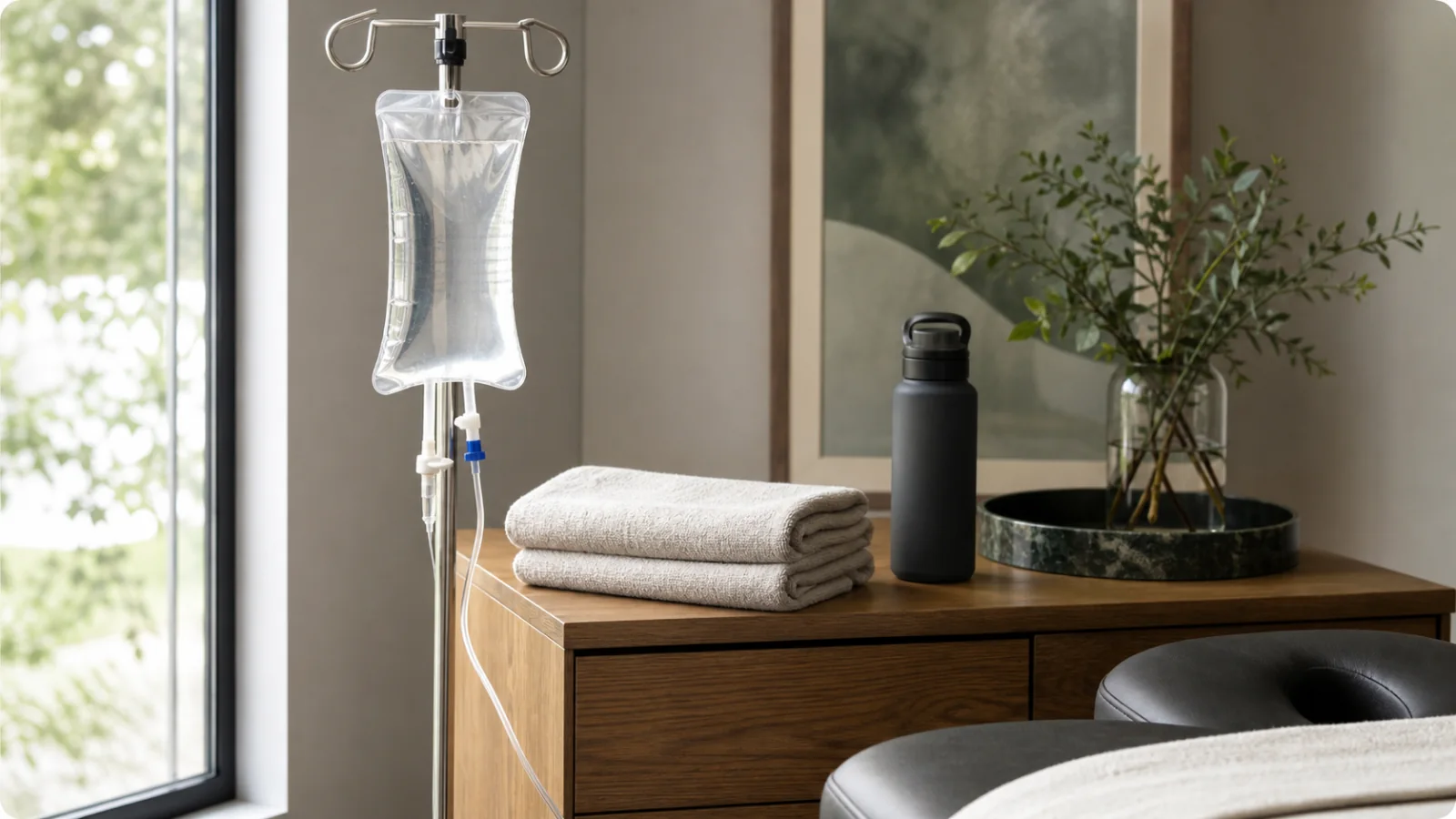
Fat Metabolism
L-Carnitine transports long-chain fatty acids into mitochondria for energy production. Without adequate L-Carnitine, fatty acids cannot enter the mitochondria and accumulate in tissues.
Cardiovascular Support
L-Carnitine supports heart muscle function by ensuring cardiac cells have access to fatty acid fuel. Research shows L-Carnitine improves outcomes in heart failure and angina.
Athletic Recovery
Athletes use L-Carnitine to reduce exercise-induced muscle damage, decrease lactic acid accumulation and accelerate post-exercise recovery.
What is L-Carnitine?
L-Carnitine (levocarnitine) is a naturally occurring amino acid derivative synthesized primarily in the liver and kidneys from lysine and methionine. It is concentrated in tissues with high energy demand, particularly the heart and skeletal muscle.
Despite being synthesized endogenously, many people have suboptimal L-Carnitine levels due to poor diet (vegetarians/vegans are at particular risk), genetic factors, certain medications or increased metabolic demand. IV administration bypasses digestive absorption limitations and delivers therapeutic amounts directly to tissues.
Who Benefits From L-Carnitine?
L-Carnitine IV therapy may help individuals experiencing the following conditions
Energy & Fatigue
Cardiovascular
Athletic Performance
Metabolic Health
How L-Carnitine Works
L-Carnitine functions as a molecular shuttle, binding to long-chain fatty acids and transporting them across the inner mitochondrial membrane, a barrier that fatty acids cannot cross unassisted. Once inside the mitochondria, these fatty acids undergo beta-oxidation to generate ATP.
This transport function is rate-limiting for fat metabolism. When L-Carnitine is deficient, fatty acid oxidation slows, energy production falls and fatty acids accumulate in tissues including the liver and muscle. Restoring L-Carnitine levels reactivates this metabolic pathway.
Beyond energy metabolism, L-Carnitine plays roles in clearing toxic metabolites from the mitochondria, modulating gene expression related to fatty acid oxidation and protecting against oxidative stress.
Why IV Administration?
Oral L-Carnitine has approximately 15–20% bioavailability, the majority is broken down by intestinal bacteria or metabolized during first-pass hepatic processing. IV delivery bypasses these limitations entirely, achieving serum concentrations up to 10 times higher than equivalent oral doses.
IV administration is particularly valuable for clinical applications where therapeutic tissue concentrations are required, such as cardiac support, fatty liver or severe deficiency states. Sessions are typically 30–60 minutes.
Getting Started
A naturopathic consultation is required before adding L-Carnitine to your IV regimen. This allows us to assess your health history, review relevant lab work and determine the appropriate dose and frequency for your needs.
Book a Consultation
Ready to add L-Carnitine to your IV treatment plan? Book your naturopathic consultation with Dr. Colin MacLeod, ND in Halifax.
Book Online (opens Jane booking in a new tab)What to Expect
- 1
Before Your Infusion
Stay well hydrated. No special fasting required. Wear comfortable clothing with easy arm access.
- 2
During Your Infusion
Sessions may take 30–60 minutes. Potential effects include IV-site complications, nausea, light-headedness, warmth, odour changes and formulation-specific reactions. Effects should not be described as harmless without individual assessment.
- 3
After Your Infusion
Energy improvements are often felt within hours to days. For best results, L-Carnitine is frequently added as a booster to the Myers Cocktail or administered as a standalone infusion in a series of 4–6 treatments.
Frequently Asked Questions
Is L-Carnitine appropriate as an add-on to the Myers Cocktail?
Yes. L-Carnitine is one of our most popular IV boosters and pairs well with the Myers Cocktail. Adding L-Carnitine enhances the energy-supporting properties of the infusion, particularly for fatigue and athletic recovery.
How does IV L-Carnitine differ from oral supplements?
Oral L-Carnitine supplements have approximately 15–20% bioavailability. IV delivery achieves serum concentrations up to 10 times higher, making it significantly more effective for clinical applications.
What are the risks of IV L-carnitine?
Potential effects include IV-site pain, bruising or infection, nausea, light-headedness, warmth, odour changes and reactions that depend on dose, formulation, medications and health history. Risks and alternatives are reviewed before consent.
Who should avoid L-Carnitine IV therapy?
L-Carnitine therapy may not be appropriate for individuals with hypothyroidism (untreated), seizure disorders or those taking certain medications including blood thinners. A health assessment is completed before treatment.
How is an IV L-carnitine plan decided?
There is no general schedule for athletic performance, fatigue or cardiovascular support. Whether IV L-carnitine is offered or repeated requires an individualized, evidence-informed rationale and review of response, risks and alternatives.
Add L-Carnitine to Your IV Treatment
Book a consultation to discuss whether L-Carnitine IV therapy is right for you.
Book Online (opens Jane booking in a new tab)