
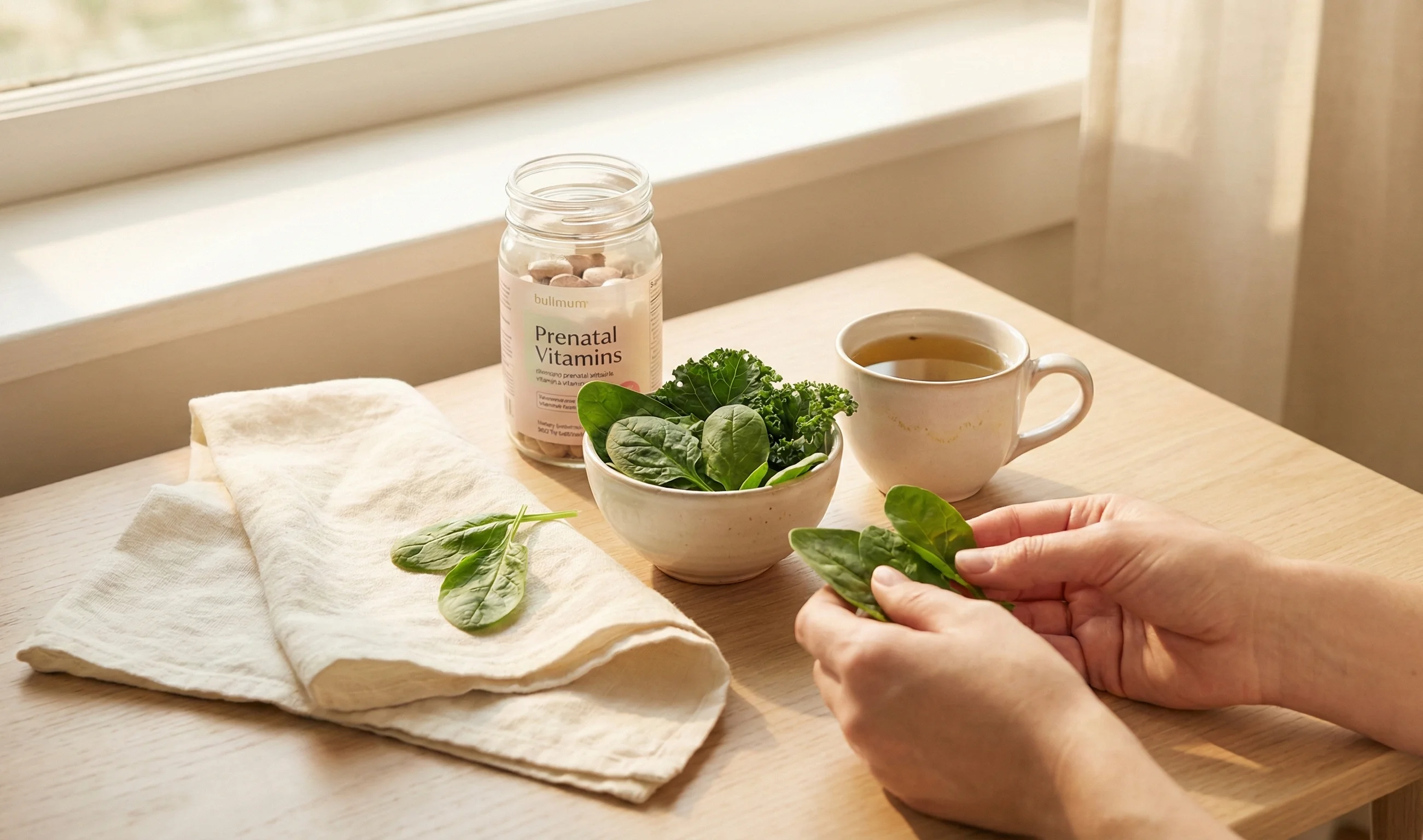
Preparing for Pregnancy
The months before conception represent a crucial window for optimizing both fertility and the health of a future pregnancy. What happens during this preconception period affects not only your ability to conceive but also the health of your developing baby and even their long-term disease risk.
In my naturopathic practice in Halifax, I work with many couples preparing for pregnancy. Some are just beginning to think about starting a family and want to optimize their health beforehand. Others have been trying to conceive without success and are looking for natural approaches to improve their fertility. In both cases, addressing foundational aspects of health can make a meaningful difference.
The good news is that many of the factors influencing fertility are modifiable. Nutrition, lifestyle, environmental exposures and stress levels all impact reproductive function. Addressing these factors can improve egg and sperm quality, support regular ovulation, optimize hormone balance and create the best possible environment for conception and early pregnancy.
Whether you are just starting to think about pregnancy or have been struggling with fertility challenges, preconception care offers an opportunity to stack the odds in your favor.
The Preconception Timeline
Ideally, preconception preparation begins three to six months before attempting to conceive. This timeline matters for several important reasons.
For women, the final stages of egg maturation take approximately three months. The egg that is ovulated and potentially fertilized today began its final development cycle about 90 days earlier. This means that nutritional and lifestyle factors during those three months directly influence egg quality.
For men, sperm production takes approximately 72 days. Factors affecting sperm quality, including nutrition, toxin exposure and lifestyle, need time to translate into improved sperm parameters.
Additionally, building up nutrient stores takes time. Folate, iron, vitamin D and other nutrients critical for pregnancy should be optimized before conception, not scrambled for afterward.
Starting preconception care early also allows time to identify and address any underlying health issues, adjust medications if needed and establish healthy habits that will carry through pregnancy.
Nutritional Foundations for Fertility
The Fertility-Promoting Diet
Research consistently shows that dietary patterns influence fertility for both women and men. The “fertility diet” identified in the Nurses’ Health Study found that women following certain dietary patterns had significantly lower rates of ovulatory infertility1.
Key dietary factors associated with improved fertility include choosing slow carbohydrates over refined carbohydrates, as women who consumed more whole grains and fiber had better fertility outcomes, while high glycemic foods were associated with ovulatory dysfunction. Emphasizing plant protein, with some evidence suggesting that replacing some animal protein with plant protein (legumes, nuts, seeds) may improve fertility. Choosing healthy fats is important because trans fats impair fertility while omega-3 fatty acids and monounsaturated fats (olive oil, avocados, nuts) support it. Optimizing dairy intake is also worth considering, as interestingly, full-fat dairy was associated with better fertility outcomes than low-fat dairy in some studies. Maintaining adequate iron intake matters, particularly from plant sources and supplements, which was associated with lower ovulatory infertility risk.
A Mediterranean-style diet, rich in vegetables, fruits, whole grains, legumes, fish, olive oil and nuts, encompasses many of these principles and has been associated with improved fertility in multiple studies2.
Critical Nutrients for Conception
Certain nutrients are particularly important during the preconception period.
Folate is essential for DNA synthesis and neural tube development. Adequate folic acid before conception reduces the risk of neural tube defects. Canadian public-health guidance should be followed when selecting a prenatal supplement; individual needs can differ with medications, health history and previous pregnancy outcomes. Common MTHFR variants do not, by themselves, establish a need to replace folic acid with methylfolate.
Iron supports oxygen delivery and is needed in increased amounts during pregnancy. Many women enter pregnancy already iron-deficient. Testing and optimizing iron status before conception is wise, particularly for women with heavy periods or vegetarian diets.
Vitamin D influences bone and immune health. Deficiency is more common in northern climates and has been studied in relation to fertility and pregnancy outcomes.3 Testing or supplementation decisions depend on clinical circumstances and current prenatal guidance; this article does not set a target blood level.
Omega-3 fatty acids contribute to fetal brain and eye development and have been studied in fertility. Intake can come from food or supplements, but product quality, dietary pattern and contaminant exposure should be considered individually.
Zinc is essential for both male and female fertility. It supports hormone production, egg maturation and embryo development. Zinc needs increase during pregnancy, so starting with adequate stores is important.
Iodine is important for thyroid function and fetal brain development. Needs change during pregnancy, but excessive intake can also affect thyroid function. Prenatal guidance and individual thyroid history should inform supplementation.
Choline supports fetal brain development and may be as important as folate for neural tube closure. Most prenatal vitamins do not contain adequate choline. Good food sources include eggs, liver and soybeans.
Foods to Emphasize
Building a fertility-supporting diet means emphasizing colorful vegetables and fruits for antioxidants that protect eggs and sperm from oxidative damage. Fatty fish like salmon, sardines and mackerel provide omega-3s and vitamin D. Legumes including lentils, beans and chickpeas offer plant protein, fiber and folate. Whole grains such as quinoa, brown rice and oats provide slow-release carbohydrates. Nuts and seeds, especially walnuts, almonds, pumpkin seeds and flaxseeds, provide healthy fats, zinc and other nutrients. Eggs are an excellent source of choline and protein. Olive oil and avocados provide monounsaturated fats.
Foods to Limit or Avoid
Food-safety, alcohol, caffeine and fish-consumption recommendations change when preparing for pregnancy and during pregnancy. Readers should use current Health Canada prenatal guidance and discuss individual concerns with their prenatal clinician rather than relying on a fixed list or threshold in this article.
Lifestyle and Fertility
Body Weight and Composition
Both underweight and overweight status can impair fertility. Excessive body fat is associated with hormonal imbalances including elevated estrogen, insulin resistance and irregular ovulation. Polycystic ovary syndrome (PCOS), a leading cause of infertility, is strongly linked to insulin resistance and often improves with weight loss. For more on this topic, see my article on natural approaches to PCOS.
Conversely, being significantly underweight can shut down ovulation entirely. Very low body fat signals to the body that conditions are not optimal for pregnancy, suppressing reproductive hormones.
The goal is not a particular number on the scale but metabolic health. For overweight individuals, even modest weight loss of five to ten percent can significantly improve fertility. For underweight individuals, gaining weight to support regular menstrual cycles is essential.
Exercise: The Goldilocks Principle
Moderate exercise supports fertility through improved insulin sensitivity, stress reduction, weight management and hormonal balance. However, exercise exists on a spectrum where both too little and too much can be problematic.
Sedentary lifestyles are associated with reduced fertility. Regular physical activity, particularly moderate-intensity exercise, appears beneficial. However, excessive exercise, particularly combined with caloric restriction, can suppress ovulation. This is common in elite athletes and women with eating disorders.
Aim for 150 minutes of moderate exercise weekly, including both cardiovascular and strength training. Listen to your body and reduce intensity if menstrual cycles become irregular.
Sleep and Circadian Rhythms
Sleep quality and quantity affect reproductive hormones. Disrupted circadian rhythms, from shift work, jet lag or irregular sleep schedules, can impair ovulation. Poor sleep also affects insulin sensitivity and stress hormones4.
Prioritize seven to nine hours of quality sleep nightly. Maintain consistent sleep and wake times. Limit screen exposure in the evening. For more on optimizing sleep, see my article on evidence-based sleep strategies.
Stress and Fertility
The relationship between stress and fertility is complex and sometimes controversial. Stress alone does not cause infertility in most people. However, chronic severe stress can affect the hypothalamic-pituitary-gonadal axis, potentially disrupting ovulation. Stress also influences behaviors that affect fertility, including sleep, diet, alcohol consumption and sexual frequency5.
Perhaps more importantly, struggling with fertility is itself extremely stressful. Breaking this cycle, where fertility concerns cause stress which potentially impairs fertility, is important for wellbeing regardless of its direct effects on conception.
Stress management approaches that may help include mindfulness meditation, yoga, acupuncture, counseling or therapy, support groups, regular exercise and adequate rest.
Environmental Exposures
Modern life exposes us to numerous chemicals that can act as endocrine disruptors, interfering with hormone function and potentially impairing fertility6. While we cannot eliminate all exposures, reducing them where possible is prudent during the preconception period.
Bisphenol A (BPA) is found in some plastics, can linings and receipt paper. It has estrogen-like effects. Choose BPA-free products, avoid microwaving plastic and opt for glass or stainless steel food containers.
Phthalates are found in fragrances, soft plastics and personal care products. They can disrupt hormones. Choose fragrance-free products and avoid soft PVC plastics.
Pesticides have been associated with reduced fertility. Choose organic produce when possible, particularly for high-pesticide items (the “dirty dozen”). Wash produce thoroughly.
Heavy metals including lead and mercury can impair fertility. Avoid high-mercury fish. If you have concerns about lead exposure (old paint, occupational exposure), testing may be appropriate.
Household chemicals in cleaning products and air fresheners can contain endocrine-disrupting compounds. Choose natural alternatives where possible.
Supplements for Fertility
Prenatal Vitamins
Prenatal supplementation is generally discussed before conception because early fetal development occurs before many pregnancies are recognized. The appropriate product depends on current Canadian guidance, diet, medications, laboratory findings and pregnancy history; more is not necessarily better.
CoQ10
Coenzyme Q10 is essential for cellular energy production. Egg cells are among the most energy-demanding cells in the body, and CoQ10 levels decline with age. Supplementation may improve egg quality, particularly in women over 35 or those with diminished ovarian reserve7.
Studies use different CoQ10 forms and doses, and evidence has not established a universal fertility regimen. Product selection and suitability require individual review.
Omega-3 Fatty Acids
Fish oil provides EPA and DHA, which contribute to fetal development and have been studied in fertility. Evidence does not establish a single dose for all patients, and purity, dietary intake, medications and bleeding risk matter.
Vitamin D
Vitamin D supplementation may be appropriate based on prenatal guidance, measured status and individual risk factors. A dose should not be selected from general website information.
N-Acetyl Cysteine (NAC)
NAC is an antioxidant that may improve egg quality and support ovulation, particularly in women with PCOS. Research shows it can improve ovulation rates and pregnancy outcomes when combined with clomiphene citrate8.
Myo-Inositol
For women with PCOS or insulin resistance, myo-inositol can improve insulin sensitivity, support ovulation and enhance egg quality. It is often used in combination with D-chiro-inositol. For more on inositol and PCOS, see my article on natural PCOS management.
For Men: Sperm-Supporting Supplements
Male factor contributes to approximately 40-50% of infertility cases. Key supplements for male fertility include zinc, which is essential for testosterone production and sperm formation. Selenium is important for sperm motility. CoQ10 supports sperm energy and motility. L-carnitine improves sperm quality and count. Antioxidants such as vitamin C, vitamin E and others protect sperm from oxidative damage.
Male Fertility Considerations
Preconception care is not just for women. Male factors contribute to nearly half of infertility cases, and sperm quality has declined significantly over recent decades9. Many of the same principles apply to optimizing male fertility.
Lifestyle Factors for Men
Heat exposure can damage sperm. Men trying to conceive should avoid hot tubs and saunas, avoid placing laptops directly on the lap, wear loose-fitting underwear and avoid prolonged sitting.
Smoking significantly impairs sperm quality. Quitting improves parameters within a few months. Excessive alcohol reduces testosterone and impairs sperm production. Moderate consumption (if any) is advisable. Obesity is associated with reduced testosterone and sperm quality. Weight loss can improve parameters. Anabolic steroids, even past use, can have lasting effects on fertility. Disclosure to healthcare providers is important.
Environmental Exposures for Men
Men are equally susceptible to endocrine-disrupting chemicals. The same recommendations for reducing exposures apply. Additionally, occupational exposures (pesticides, heavy metals, solvents) should be minimized.
When to Seek Additional Support
While preconception optimization is valuable for everyone, some situations warrant earlier medical evaluation.
Seek evaluation before or early in the conception journey if the woman is over 35 (fertility declines significantly, and time is more precious), if there are known reproductive issues such as PCOS, endometriosis or irregular cycles, if either partner has known health conditions affecting fertility, if there is a history of recurrent pregnancy loss or if there are concerning symptoms like very irregular or absent periods.
Seek evaluation if conception has not occurred after 12 months of well-timed intercourse (or 6 months if over 35).
Naturopathic approaches can work alongside conventional fertility evaluation and treatment. Many patients find that optimizing nutrition, lifestyle and foundational health improves outcomes whether they conceive naturally or with assisted reproductive technologies.
References
- Chavarro JE, Rich-Edwards JW, Rosner BA, Willett WC. Diet and lifestyle in the prevention of ovulatory disorder infertility. Obstet Gynecol. 2007;110(5):1050-1058.
- Karayiannis D, Kontogianni MD, Mendorou C, et al. Association between adherence to the Mediterranean diet and semen quality parameters in male partners of couples attempting fertility. Hum Reprod. 2017;32(1):215-222.
- Chu J, Gallos I, Tobias A, et al. Vitamin D and assisted reproductive treatment outcome: a systematic review and meta-analysis. Hum Reprod. 2018;33(1):65-80.
- Kloss JD, Perlis ML, Zamzow JA, et al. Sleep, sleep disturbance and fertility in women. Sleep Med Rev. 2015;22:78-87.
- Lynch CD, Sundaram R, Maisog JM, et al. Preconception stress increases the risk of infertility: results from a couple-based prospective cohort study, the LIFE study. Hum Reprod. 2014;29(5):1067-1075.
- Rattan S, Zhou C, Chiang C, et al. Exposure to endocrine disruptors during adulthood: consequences for female fertility. J Endocrinol. 2017;233(3):R109-R129.
- Xu Y, Nisenblat V, Lu C, et al. Pretreatment with coenzyme Q10 improves ovarian response and embryo quality in low-prognosis young women with decreased ovarian reserve: a randomized controlled trial. Reprod Biol Endocrinol. 2018;16(1):29.
- Badawy A, State O, Abdelgawad S. N-Acetyl cysteine and clomiphene citrate for induction of ovulation in polycystic ovary syndrome: a cross-over trial. Acta Obstet Gynecol Scand. 2007;86(2):218-222.
- Levine H, Jørgensen N, Martino-Andrade A, et al. Temporal trends in sperm count: a systematic review and meta-regression analysis. Hum Reprod Update. 2017;23(6):646-659.