
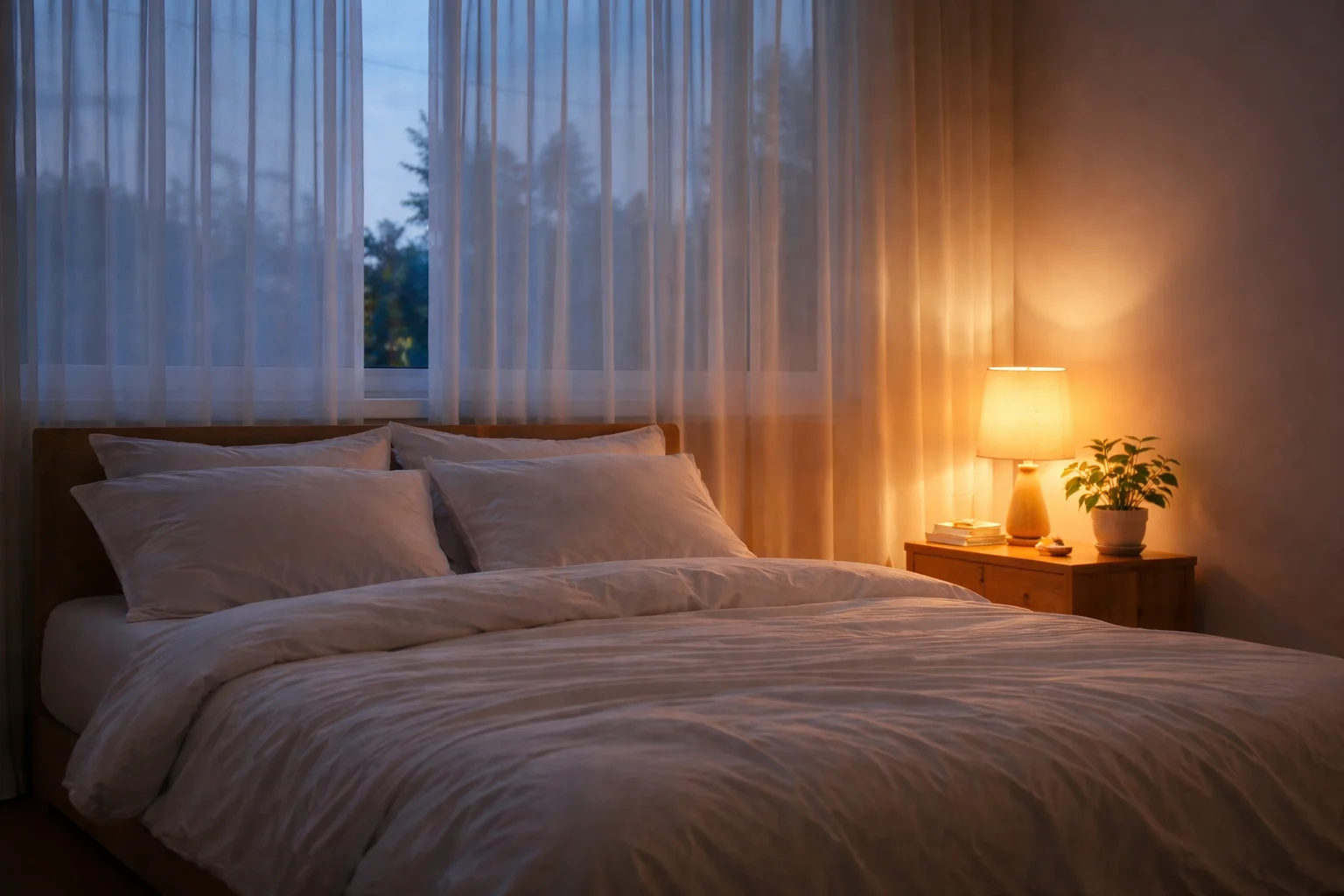
Interest in Sleep Optimization
Sleep optimization has emerged as one of the biggest health trends of 2025-2026. Sleep trackers, specialized mattresses, cooling devices and supplement stacks have turned sleep into a multi-billion dollar industry.
This attention is warranted. Sleep affects virtually every aspect of health including cognitive function and memory consolidation, immune system regulation, hormone balance, metabolic health and weight management, cardiovascular function and mental health and emotional regulation.
The challenge? Much of the sleep advice circulating on social media is either oversimplified, overly complicated or not backed by evidence. Let’s examine what actually works.
Sleep Duration and Regularity
The American Academy of Sleep Medicine recommends 7-9 hours for adults. However, individual needs vary. Some people genuinely function well on 7 hours while others need 8.5 or more.
Rather than fixating on a specific number, pay attention to how you feel. Do you wake feeling rested? Can you function without excessive caffeine? Do you struggle to stay awake during the day?
Recent research highlights something often overlooked: sleep regularity may be as important as sleep duration1. A 2025 systematic review found that irregular sleep schedules are associated with poor mental health outcomes, metabolic dysfunction, cardiovascular risk, cognitive impairment and increased mortality risk.
Keeping consistent sleep and wake times, even on weekends, helps synchronize your circadian rhythm. The research suggests that “keeping to a schedule” may be one of the most practical public health recommendations for better sleep2.
Evidence-Based Sleep Hygiene
Sleep hygiene refers to habits and environmental factors that promote quality sleep. Here’s what the research supports.
Light Exposure
Bright light early in the day helps set your circadian rhythm. Spending time outdoors in the morning is ideal since even on cloudy days, outdoor light is much brighter than indoor lighting.
In the evening, reducing light exposure helps prepare your body for sleep. Blue light from screens suppresses melatonin production, so dimming lights before bed and considering blue light filtering if using screens at night can be helpful. Complete darkness for sleeping is optimal.
Temperature
Your body temperature naturally drops as you prepare for sleep, and supporting this process improves sleep quality. Keeping your bedroom cool is often recommended. A warm bath or shower before bed can paradoxically help by triggering subsequent cooling. Breathable bedding materials also help regulate temperature.
Caffeine and Alcohol
Caffeine has a half-life of several hours, though this varies individually. Even if you “can fall asleep” after afternoon coffee, caffeine reduces deep sleep quality. Avoiding caffeine after early afternoon is a reasonable guideline, though some people are slow caffeine metabolizers and need to stop earlier.
Alcohol may help you fall asleep initially but fragments sleep later in the night. It reduces REM sleep, which is important for memory and emotional processing, with effects being dose-dependent.
Exercise
Physical activity is one of the most effective ways to improve sleep. A 2024 systematic review found resistance training particularly effective for sleep quality3. Regular exercise improves both sleep duration and quality, though timing matters for some people as intense exercise close to bedtime may be stimulating.
The Sleep Environment
A dark bedroom using blackout curtains or an eye mask, quiet surroundings (with earplugs or white noise if needed), a comfortable and supportive mattress and pillows and using your bed primarily for sleep all contribute to better rest.
Addressing Sleep Difficulties
Basic sleep hygiene helps, but many people still struggle. Here are additional evidence-based approaches.
Cognitive Behavioral Therapy for Insomnia (CBT-I)
CBT-I is considered the gold-standard treatment for chronic insomnia, recommended before sleep medications by major medical organizations4. Key components include sleep restriction (temporarily limiting time in bed to build sleep pressure), stimulus control (strengthening the association between bed and sleep), cognitive restructuring (addressing anxious thoughts about sleep) and relaxation training (reducing physiological arousal).
CBT-I can be delivered through in-person therapy, digital programs or self-help books. A 2025 meta-analysis found digital CBT-I interventions significantly improve sleep quality, efficiency and insomnia severity5.
Addressing “Orthosomnia”
Paradoxically, obsessing over perfect sleep can make sleep worse. “Orthosomnia,” or anxiety about achieving perfect sleep, has emerged alongside the proliferation of sleep trackers.
If tracking your sleep is causing stress, consider taking breaks from monitoring, focusing on how you feel rather than metrics and recognizing that occasional poor sleep is normal.
Natural Sleep Supports
Several natural approaches have evidence for sleep improvement, complementing stress management techniques. Magnesium may help with sleep, particularly in those who are deficient. Melatonin is most useful for circadian rhythm issues like jet lag or shift work rather than general insomnia. Herbal options including valerian root, passionflower and L-theanine have varying degrees of evidence for sleep support.
Supplements should complement, not replace, good sleep habits. They work best when the fundamentals are in place, and your naturopathic doctor can help determine what might be appropriate for your situation through our herbal therapy services.
When to Seek Professional Help
Some sleep issues require medical evaluation. Signs to see a healthcare provider include snoring with gasping or pauses in breathing (possible sleep apnea), persistent insomnia despite good sleep hygiene, excessive daytime sleepiness despite adequate sleep time, unusual movements or behaviors during sleep and sleep problems significantly affecting daily function.
Obstructive sleep apnea is common and underdiagnosed, affecting an estimated 5-15% of adults and associated with cardiovascular disease, metabolic dysfunction, cognitive impairment and increased accident risk. If you snore loudly, wake with headaches or never feel rested despite sleeping enough hours, evaluation for sleep apnea is worthwhile.
Practical Sleep Priorities
Start with a consistent sleep schedule, appropriate light exposure and a comfortable environment. Expensive devices and elaborate supplement routines are often unnecessary. Seek professional evaluation for chronic insomnia or suspected sleep apnea, and remember that occasional poor sleep is normal.
References
- Kalkanis A, et al. Sleep regularity as an important component of sleep hygiene: a systematic review. Sleep Med. 2025.
- Phillips AJK, Clerx WM, O’Brien CS, et al. Irregular sleep/wake patterns are associated with poorer academic performance and delayed circadian and sleep/wake timing. Sci Rep. 2017;7(1):3216.
- Kovacevic A, Mavros Y, Heisz JJ, Fiatarone Singh MA. The effect of resistance exercise on sleep: A systematic review of randomized controlled trials. Sleep Med Rev. 2018;39:52-68.
- Qaseem A, Kansagara D, Forciea MA, et al. Management of Chronic Insomnia Disorder in Adults: A Clinical Practice Guideline From the American College of Physicians. Ann Intern Med. 2016;165(2):125-133.
- Seyffert M, Lagisetty P, Landgraf J, et al. Internet-delivered cognitive behavioral therapy to treat insomnia: A systematic review and meta-analysis. PLoS One. 2016;11(2):e0149139.
- Watson NF, Badr MS, Belenky G, et al. Recommended Amount of Sleep for a Healthy Adult: A Joint Consensus Statement of the American Academy of Sleep Medicine and Sleep Research Society. Sleep. 2015;38(6):843-844.